Every summer, I have the same goal.
This is the summer I finally slow down… long days at the beach, lazy mornings, maybe even an afternoon spent reading leisurely on a blanket under a tree. And every year, I realize I have less free time than I did during the school year, not more.
If that sounds familiar, you are not doing summer wrong. Self-care time during the summer is genuinely harder to find than during the rest of the year, and there are real reasons why.
When school lets out, kids often need more of your attention, not less. They need rides, refereeing, entertainment, and structure that used to come from a classroom. And your work might not take the summer off either, even if your calendar looks a little different.
So the idea of “self care” can start to feel like one more thing on a list that's already too long. So instead of giving up entirely on self care during the summer, try this instead. If you’re already exhausted, make self care something small, doable, and life-giving (not another “to do” on your list).
Over the years, we've found that summer self-care comes down to three things: play, small daily renewal, and protecting your energy for what actually matters. Let's walk through all three, plus what the research says about why this matters so much for you and your kids.
Why Summer Self-Care Feels Impossible for Parents, Especially If You’re Already Exhausted
Before we get into what works, let’s talk about why this feels so hard in the first place. You're not imagining it, and you're definitely not alone.
The Summer “Free Time” Myth
We all carry this picture in our heads of what summer is supposed to look like… (for me it was unstructured, easy and restful, usually involving a slice of watermelon, sitting outside, and a novel). But for most parents, summer actually means more childcare hours, more logistics, and more decisions to make every single day.
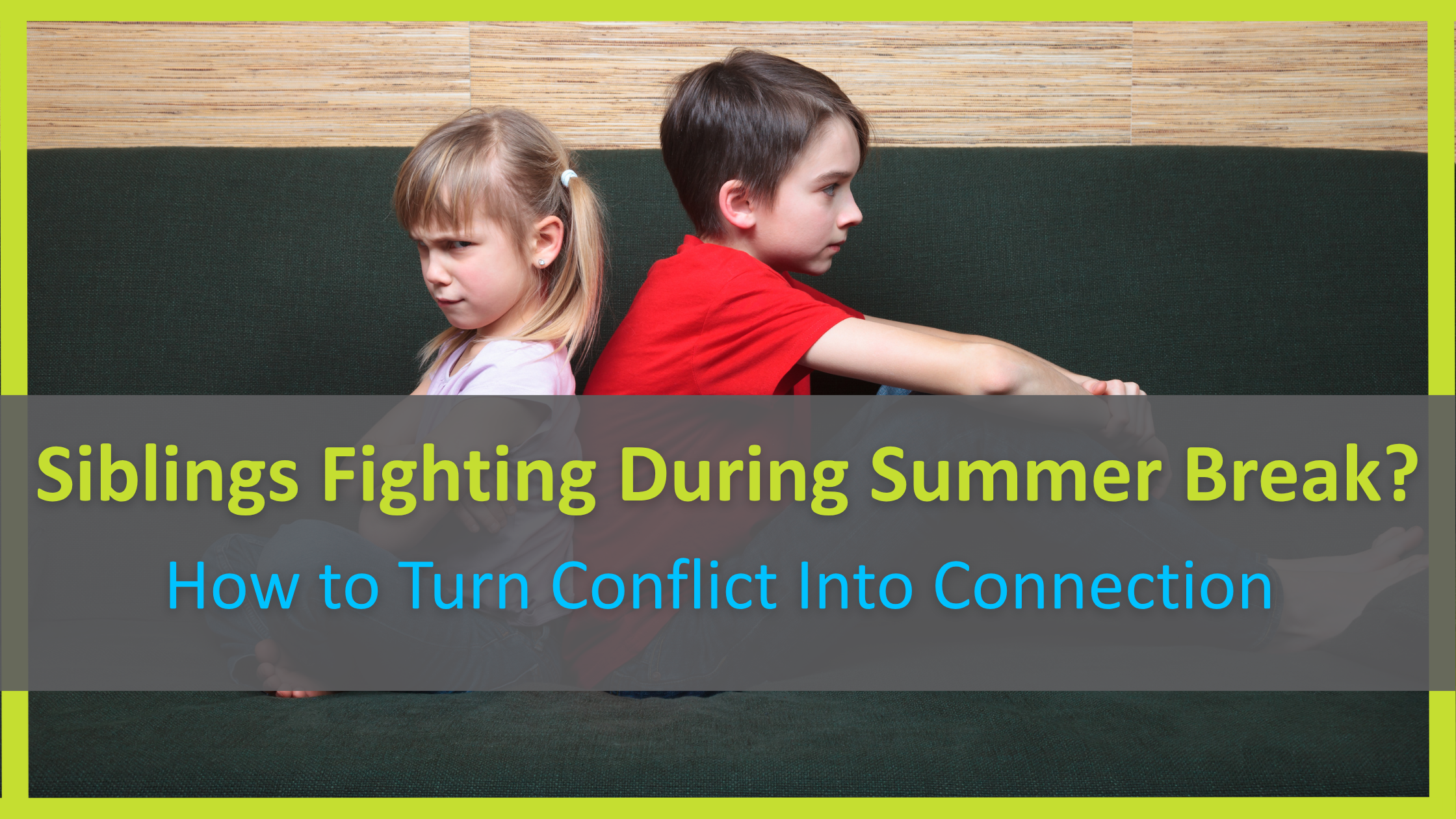
Camp schedules. Snack packing. Sibling refereeing. The mental load doesn't take a summer break, even when school does.
That gap between the summer we imagined and the summer we're actually living is exactly where exhaustion sneaks in. Acknowledging that gap is the first step toward real summer self care for exhausted parents, because you can't fix a problem you're still pretending isn't there.
What the Research Says About Parents and Burnout
This isn't just a feeling. Parental burnout is a well-documented, measurable experience, and it tends to spike whenever routines shift and demands increase, like they do every summer.
The U.S. Surgeon General's 2024 advisory on parental mental health named parental stress a genuine public health concern, not a personal failing. The advisory made the case that supporting parents' wellbeing is just as important to a child's long-term development as anything else we do for them.
The American Psychological Association has found that parents consistently report higher stress levels than adults without kids, and that summer schedule changes are one of the most common tipping points into full burnout. Reading that might bring you some relief. This isn't a “you” problem. It's a “the demands are genuinely a lot” problem.
Why Guilt Gets in the Way of Summer Self Care
Even once we understand the research, guilt has a way of showing up anyway. Taking fifteen minutes for yourself while your child is playing quietly can feel selfish, even though you know, logically, that it isn't.
Here's the thing we want you to hear today. Summer self care for parents isn't taking something away from your children. It's actually giving them something they need too: a parent who has enough left in the tank to be present, patient, and playful with them.
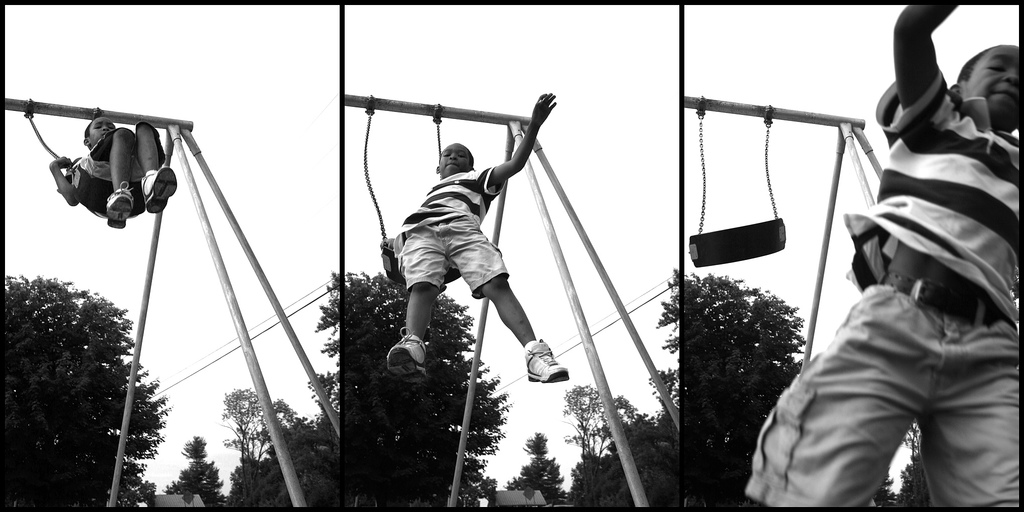
Summer Self Care for Parents Starts With Play (Even When You’re Exhausted)
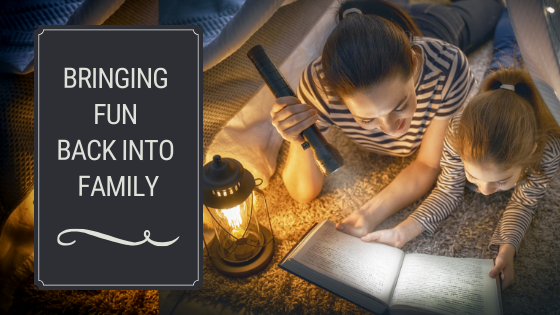
One of the biggest shifts we've made in our own family, and one we hear about constantly from parents in our community, is realizing that self care doesn't have to mean getting away from your kids. Sometimes it means playing alongside them, in a way that actually fills you up too.
Rediscovering What's Actually Fun for You
Somewhere between diapers and driving lessons, a lot of parents lose track of what's genuinely fun for them (not what's fun for the kids, not what's productive, just fun). It's worth sitting down and actually asking yourself the question.
Try this at dinner tonight. Ask everyone in your family what feels playful to them, what makes them lose track of time. You might be surprised by the overlap you find, and that overlap can become part of your family's summer self care map.
Making Play a Shared Family Practice
This is where summer self care gets a little easier, because it doesn't have to happen in a stolen hour of alone time. If pottery, hiking, or backyard water fights genuinely light you up, doing them with your kids counts as self care too.
The goal isn't to separate “parent time” from “family time” completely. It's to make sure that some of your family time is actually restorative for you, the parent, and not just another task to manage.
Small Doses of Play Still Count
You don't need a whole afternoon set aside for this to matter. Ten minutes of genuinely playful, non-productive time (dancing in the kitchen, doodling, tossing a ball around) can shift your whole nervous system.
Don't let the idea of a “perfect” play afternoon stop you from taking the five minutes you actually have today. Self care works best when it's realistic, not idealized.
Renewal in Minutes, Not Hours: Daily Summer Self Care Habits
One thing we hear over and over from parents, and that we struggled with ourselves, is “I want to take care of myself, but I don't have the time.” We hear you, and we have a workaround that's worked for us and hundreds of families in our community.
The One-Minute Rule
Choose one thing that genuinely renews you (meditation, journaling, stretching, a few pages of a book, five minutes with your coffee on the porch) and commit to doing it every single day. The catch is that you don't commit to how long you'll do it for.
Some days it might be one minute. Some days it might be twenty. Both count because they address your exhaustion.
Micro-Breaks That Actually Restore You
There's genuinely good science behind this approach. Harvard Health has reported that even short daily mindfulness practices, in the range of ten minutes, can meaningfully reduce anxiety and improve overall mood and outlook.
A few deep breaths before you walk into a meltdown. A short stretch before picking up your kids. These aren't consolation prizes for the “real” self care you wish you had time for. They are the real thing.
Building a Summer Self Care Ritual That Sticks
The key to making any of this stick through a chaotic summer is consistency over intensity. A one-minute ritual you actually do every day beats a ninety-minute plan you only manage once.
Anchor your ritual to something that already happens daily, like the first sip of coffee or right after you brush your teeth. That small pairing makes it far more likely to survive even your busiest weeks. I know a mom who put a yoga mat in her hallway and did a pose anytime she passed it.
Protecting Your Energy: Only the “Mission Critical” Things
The third piece of summer self care if you’re exhausted isn't really about adding anything at all. It's about protecting the energy you have by being honest about what actually needs to happen this week.
The “Four Category To Do List” Method for a Realistic Summer
Here's a simple system that's worked for us for years. Keep one running list divided into four sections:
- things you NEED to do this week
- things you WANT to do this week
- things you want to do this month
- and things you want to do someday.
On any given day, there are usually only two or three truly mission critical items on that list. Everything else can wait, and just seeing it written down somewhere (rather than looping in your head) helps your brain actually let it go.
Letting Go of the Made for Social Media Summer
Somewhere along the way, “summer” became a performance… themed activities, elaborate outings, posting a photo for every day. None of that is required for your children to have a good summer, and chasing it is one of the fastest routes to burnout.
Your kids will remember how connected and present you were far more than they'll remember whether you pulled off a matching-outfit beach day. Letting that pressure go is its own form of self care for exhausted parents.
When Self Care Isn't Enough, and That's Okay
Some summers the exhaustion runs deeper than a daily ritual or a shorter to-do list can touch. If you're noticing that big feelings (yours or your child's) are showing up more often and harder to move through, that's worth paying attention to as a family, not just as an individual.
A simple place to start is the free Family Calming Plan from Happily Family. It's a printable, no-fail plan based on brain science and empathy that helps every person in your home, including you, get clear on what actually helps when things feel big. Download your free copy here.
And if you want more consistent support through the season, our free Happily Family Online Conference brings together over twenty-five leading experts in child development and connection-based parenting. It's built for exactly this: parents who are tired, who love their kids fiercely, and who want real tools instead of more guilt. Save your free spot here.
If your exhaustion is coming specifically from a tween or teen this summer (different stage, same depletion), the Parent Teen Connection Conference could help. It covers how to stay connected through the eye rolls and the silence, without losing your connection in the process. Register for the free Teen Conference here.
You Don't Have to Earn Your Rest
Self care for parents doesn’t mean an expensive spa day or an hour you don't have. What if self-care can be play that actually feels like play, a one-minute ritual you actually do (even on hard days), and permission to let go of everything that isn't mission critical.
You don't need to earn your rest this summer. You just need to take it, one minute at a time.
Frequently Asked Questions
Q: If I don’t have childcare, what can summer self care look like?
It looks smaller than you'd expect, and that's the point. Instead of waiting for a block of alone time that may not come, look for micro-moments you can claim even with kids in the room: a few deep breaths on the porch while they play nearby, a favorite song while you fold laundry together, five minutes with your coffee before anyone else is awake. Summer self care for parents doesn't require childcare. It requires lowering the bar for what “counts,” and letting one–or 5–genuine minutes be enough.
Q: How do I stop feeling guilty about taking time for myself in the summer?
Guilt tends to shrink once you reframe what self care is actually doing for your family. A parent who is running on empty has less patience, less playfulness, and less capacity to stay calm during a meltdown. Taking even small pockets of time to recharge isn't taking something away from your kids. It's restocking the version of you that can show up the way you want to. Many parents find the guilt eases once they start small and see, firsthand, how much calmer the whole household feels afterward.
Q: What's one thing I can start today for self care, even with a packed summer schedule?
Start with the one-minute rule. Pick a single activity that genuinely renews you (stretching, journaling, a short walk, quiet coffee) and commit only to doing it daily, not to a specific amount of time. Some days it will be only one minute, and that's completely fine. Consistency, even in tiny doses, is what makes self care sustainable through the whole summer instead of something you have to abandon after a week.