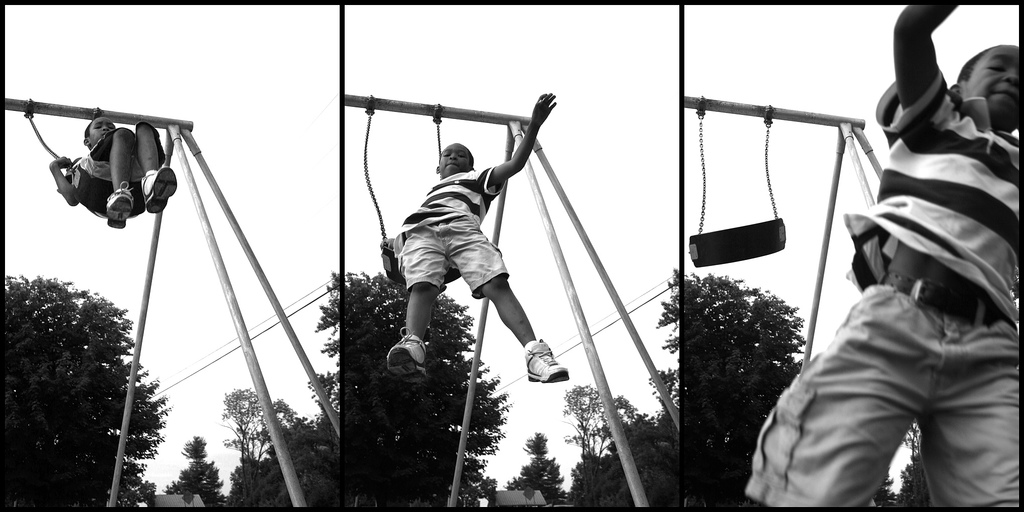
One of the kids in our classroom was like a puppy, full of joy, running all over the playground, excited to be with his friends. But his coordination was still developing, and he hurt himself sometimes.
After a couple of hard falls, he was at risk of losing his front teeth. It was serious.
Worse yet, we were going on a field trip to tide pools. Imagine lots of kids walking, climbing, and jumping around on uneven, slippery, wobbly rocks, next to the ocean.
His mom basically had 3 choices:
- Limit her child’s activities – he doesn’t go on the field trip, she could also limit other “risky” activities, like play dates, or even school.
- He goes on the field trip, but she supervises him and hovers over him all the time; she helps, assists, suggests solutions, and catches him when he falls (at least she tries to)
- OR she can have some conversations with her son, trust in his ability to take care of himself, and breathe deeply (a lot)
Here's the thing, every day your kids are in situations just like this, and how you respond makes a profound difference in building kids' confidence and self-esteem.
Whether your toddler is taking their first steps, your 10-year-old wants to walk to the store alone, or your teenager is navigating their first relationship, you're constantly choosing between limiting, hovering, or trusting.
Knowing what to do isn't easy. There are no perfect solutions.
But there are guiding principles that can help your child build the life skills and positive sense of self they need to thrive.
Why Building Kids' Confidence Matters for Their Development
When children feel capable and trusted, something beautiful happens: they start to see themselves as capable and trustworthy.
Research on child development consistently shows that kids who feel accepted and supported are more likely to make positive choices, act appropriately, and have a stronger voice when they need to stand up for themselves. As we discuss in our post on how to help kids feel emotionally safe, children who feel loved are better equipped to handle life's challenges.
Building confidence in kids isn't about protecting them from every bump and bruise. It's about giving them the tools and support they need to navigate challenges while knowing you're there as their safety net.
The Connection Between Risk and Learning
Here's something we learned as classroom teachers: risk and learning are twin sisters.
All growth involves some element of risk. When we limit our children's experiences because of our own fears, we may also be limiting their learning.
Less learning means that when they're in a situation without us, they're less capable of handling it because they've had less practice.
According to the Child Mind Institute, children need to trust in their own capabilities while also knowing they can handle setbacks. This happens when your child tries something hard (like climbing to the top of the play structure) makes it, and feels that rush of ‘I did it!' And it also happens when they fall down, feel disappointed, and discover they can dust themselves off and try again.
Every Child Is Different
Kids are incredibly sensitive to the messages we send through our behavior.
They “read” our actions.
But here's where it gets tricky: the same action can send completely different messages depending on the child.
For one child, a parent staying longer than all the other parents at school drop-off might communicate, “You're not as capable as the other kids.” For another child (perhaps one who needs extra reassurance that day), it might communicate “I'm here for you no matter what, and that makes you safe enough to try.”
So how do you know what YOUR child needs?
This is where a concept called scaffolding becomes incredibly helpful.
Scaffolding Skills: A Powerful Approach to Building Confidence in Kids
Think about how children learn to ride a bike.
You don't just hand them a two-wheeler and say, “Good luck!” You start with training wheels, then gradually raise them, then run alongside while they find their balance.
This is called scaffolding. It’s the parenting steps we take to slowly and sequentially increase our kids' competence and independence.
The concept applies to everything: social skills, academic skills, emotional regulation, and yes, building kids' confidence.
How Scaffolding Works in Everyday Life
Scaffolding means asking yourself: What does my child need in order for success in this task to be within their grasp? Does my child need any support in order for the demands of the task to match their skills and abilities?
Sometimes the answer is more supervision. Sometimes it's breaking a task into smaller steps. Sometimes it's simply being present while they figure things out.
For example, many parents struggle with getting their kids to clean their rooms. But cleaning up is actually a complex skill that requires organization, frustration tolerance, and the ability to not feel overwhelmed by mess.
As they grow, we gradually decrease our support, knowing that some children need scaffolding for longer than others. It’s typical for our child’s capabilities to fluctuate even from day-to-day (just like ours do). For example, a child who is hungry, angry, lonely, and tired won’t be as capable, on average, as one who is well-rested, well-fed, and happy, and that's okay too.
Building Confidence Through Appropriate Challenges
The goal isn't to remove all struggle from your child's life. It's to find what we might call the “sweet spot” of challenge.
This is where things are hard, but your child has enough skills, enough support, and enough past successes to try anyway, even though it's difficult.
When children experience this sweet spot repeatedly, they develop what Nemours KidsHealth describes as healthy self-esteem: the confidence to try new things and the resilience to cope with mistakes.
Practical Actions for Building Kids' Confidence at Any Age
Let's get specific about esteem-building activities you can use at home.
Know What's Developmentally Appropriate
As former classroom teachers, we saw that parents often expected too little from their kids.
Most three-year-olds are capable of carrying their backpack into school, putting dirty clothes in the hamper, clearing dishes from the table, and putting on their own shoes with minimal help.
When we do things for children that they can do themselves, we miss opportunities to help them build confidence. Each small success is a building block.
If you're unsure what's appropriate, resources like the American Academy of Pediatrics offer developmental milestone guidelines.
Give Children Meaningful Choices
Giving your child choices (even small ones) provides a sense of control and encourages them to trust their own judgment.
This can be as simple as letting them choose between two breakfast options or deciding what outfit to wear, even if it's a little mismatched.
As we share in our article on getting kids to talk about their feelings, children who feel heard and respected develop a stronger sense of self.
Handle Your Own Fears
This might be the hardest part.
When we are fearful, we communicate to our children that they should be fearful too. Our actions and words send messages about whether the world is a safe place or a dangerous one.
The question becomes: At what point does my fear actually make my child less safe?
If you find yourself struggling with parenting anxiety, our free Calming Plan can help you find peace in challenging moments so you can show up for your kids with confidence.
Building Confidence in Kids During the Teen Years
If you're parenting a teenager, you know that building confidence looks different during these years.
Teens need more autonomy, but they still need scaffolding. Instead of running alongside their bike, you might be available for late-night conversations or helping them think through a difficult social situation.
One parent in our community shared that her biggest challenge was wanting to connect with her daughter while being unsure if her daughter wanted to connect back.
This is such a common experience! Teens are naturally pulling away as they develop their own identity, but they still need to know you're there.
Our Parent-Teen Connection Conference offers expert guidance on maintaining strong relationships during these challenging years.
Remember: You're Not Alone in This
You might be wondering what happened to that mom and her joyful, awkward son on the field trip.
She chose trust.
He climbed over rocks, explored tide pools with his classmates, jumped, ran, and played. He came close to falling a couple of times, but nobody rushed to rescue him.
As a result, he experienced himself as a kid who was just as capable as all the other kids.
I stood back and watched the mom. I said, “This is hard for you, isn't it?”
She breathed deeply, kept her eyes on him, and said, “Yes, it is.”
She handled her fears because she saw that his learning and his view of himself were more important than the risk.
Building kids' confidence isn't always comfortable for us as parents. But when we can manage our own anxiety and give our children room to grow, beautiful things happen.
If you want more support on this journey, join us at the free Happily Family Online Conference, where we bring together top parenting experts to help you raise resilient, confident children.
Common Questions From Parents Like You:
What causes a child's lack of self-confidence?
Several factors can contribute to low self-confidence in children. These include receiving frequent criticism rather than encouragement, having limited opportunities to try new things and experience success, being overprotected in ways that send the message “you can't handle this,” experiencing comparison to siblings or peers, and lacking warm, supportive relationships with caregivers.
Children may also struggle with confidence if they don't feel emotionally safe to make mistakes or if their feelings are regularly dismissed. As discussed in our post on navigating unfixable situations, sometimes simply being present and accepting during difficult times builds more confidence than trying to fix everything.
How do I increase my child's self-esteem?
Building your child's self-esteem involves several key practices. First, show unconditional love and acceptance—let them know you value them regardless of their achievements. Give them age-appropriate responsibilities and choices so they can experience competence. Praise effort and persistence rather than just results. Allow them to struggle appropriately and resist the urge to rescue them from every challenge. Spend quality one-on-one time with them regularly. Model healthy self-talk and confidence in your own life. And most importantly, create an emotionally safe environment where they can express their feelings without judgment.
How do I tell if my child is insecure?
Signs of insecurity in children may include excessive need for reassurance or approval, reluctance to try new activities or take age-appropriate risks, negative self-talk like “I can't do anything right” or “I'm stupid,” extreme sensitivity to criticism, difficulty accepting compliments, avoiding eye contact or social situations, perfectionism or giving up easily when things get hard, and physical symptoms like stomachaches before challenging situations. Some children may also become overly controlling or bossy as a way to manage their anxiety.
If you notice these patterns, focusing on connection, acceptance, and gradual scaffolding of new experiences can help your child build greater confidence over time.